
To prepare your pool for hurricane season in coastal North Carolina, lower the water level slightly, turn off and secure electrical equipment, remove loose pool furniture and accessories, and avoid draining the pool completely. A properly weighted, full pool is more resistant to structural damage from wind and flooding than an empty one. Scheduling a pre-season inspection with a licensed pool contractor can catch issues before a storm hits.
Living along the Wilmington coastline means enjoying warm Atlantic breezes, stunning sunsets, and a backyard pool that feels like a permanent vacation. It also means keeping one eye on the tropics from June through November. Hurricane season brings real risks to in-ground pools and spas, from storm surge and flooding to wind-driven debris that can damage equipment and surfaces.
The good news? With the right preparation, your pool can weather a storm with minimal damage. At Ocean Blue Pools & Spas, we’ve helped countless Wilmington homeowners protect their fiberglass pools and spas before, during, and after major weather events. This guide walks through exactly what to do, what to avoid, and when to call in the professionals.
Why does hurricane preparation matter for pool owners in North Carolina?
North Carolina’s coast sits directly in the path of Atlantic hurricanes, and Wilmington has felt the impact firsthand. Hurricane Florence in 2018 dropped over 30 inches of rain on parts of the region, and Hurricane Isaias caused significant flooding and wind damage across the coast in 2020. For pool owners, these storms bring a specific set of risks:
- Storm surge and flooding can overwhelm pools with debris, contaminants, and excess water.
- High winds can send loose furniture, branches, and other debris into the pool or spa.
- Power outages can disable pumps and filtration systems for days at a time.
- Ground saturation from heavy rainfall can shift the soil around in-ground pools, which is why proper installation and drainage matter long before a storm ever forms.
Preparing ahead of time protects your investment and makes post-storm cleanup far less stressful.
How do you prepare your in-ground pool before a hurricane?
Should you drain your pool before a hurricane?
No. Draining a pool before a hurricane is one of the most common mistakes homeowners make, and it can cause more damage than it prevents. An empty fiberglass pool shell can shift, crack, or even pop out of the ground due to groundwater pressure once the surrounding soil becomes saturated. The weight of the water actually helps anchor the pool in place.
Instead, lower the water level slightly, typically by a few inches below the skimmer, to allow room for rainfall without overflowing. Leaving the pool mostly full is the safest approach for fiberglass pools.
How do you protect pool equipment from storm damage?
Pumps, filters, heaters, and other electrical components are the most vulnerable parts of your pool system. To protect them:
- Turn off power to all pool equipment before the storm arrives to prevent electrical damage from power surges.
- Cover or elevate equipment where possible, especially if you’re in a flood-prone area.
- Secure or remove detachable parts, such as ladders, solar covers, and skimmer baskets, and store them indoors.
- Disconnect automatic pool cleaners and store them safely away from the pool area.
What should you remove from around the pool before a storm?
Anything that isn’t bolted down can become a projectile in hurricane-force winds. Before the storm arrives, walk your backyard and remove:
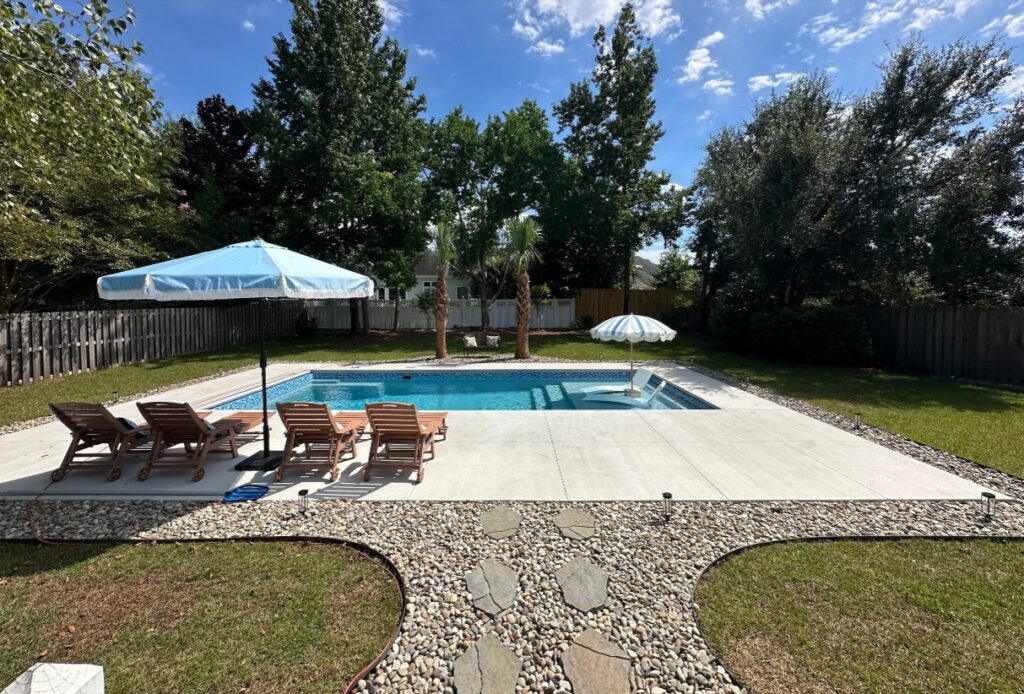
- Pool furniture, cushions, and umbrellas
- Toys, floats, and loose decor
- Potted plants near the pool area
- Grills, fire pits, or other movable equipment
Store these items in a garage or shed, not simply against a wall, where wind can still catch and move them.
How should you prepare your spa or hot tub for hurricane season?
Spas and hot tubs need similar attention, with a few additional steps. If you own a spa from brands like Bullfrog or another trusted manufacturer, follow these guidelines:
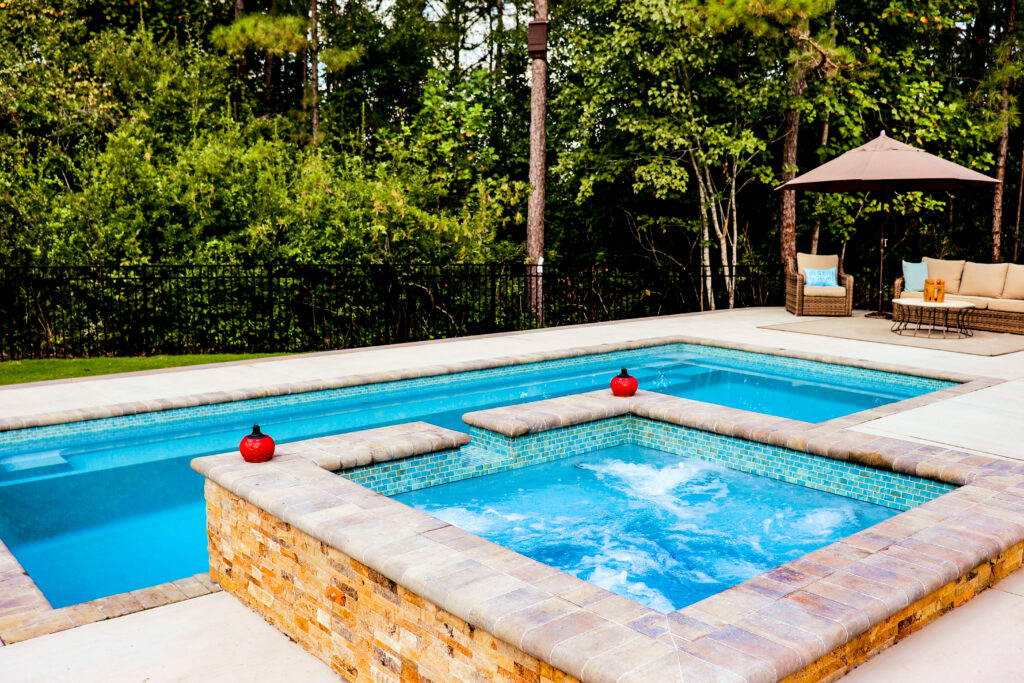
- Keep the cover secured. A properly fastened spa cover protects the water from debris and helps insulate the unit if power is lost.
- Turn off power at the breaker, not just the unit itself, to avoid electrical hazards during flooding or power surges.
- Avoid draining the spa for the same reasons you’d avoid draining a pool. Water weight helps stabilize the shell.
- Check for secure anchoring if your spa is above ground or on a deck, since elevated units are more exposed to wind.
What should you do after a hurricane passes?
Once the storm clears, resist the urge to immediately jump back into your routine. Instead:
- Inspect before you touch anything electrical. Make sure equipment is dry and undamaged before restoring power.
- Remove debris carefully. Leaves, branches, and dirt are common, but floodwater may also carry contaminants that require professional-grade cleaning.
- Test your water chemistry. Heavy rain and debris can throw off pH and sanitizer levels significantly. Avoid these common pool maintenance mistakes while you rebalance.
- Check for structural damage. Look for cracks, shifting, or unusual changes around the pool deck and shell.
If you notice anything unusual, it’s worth having a licensed and insured pool contractor take a look before you resume normal use. Small issues caught early are far less costly than damage that goes unaddressed for weeks.
Why do fiberglass pools hold up well in coastal climates?
Choosing the right pool type matters just as much as storm prep. Fiberglass pools, like those from Leisure Pools and Tallman Pools, are particularly well-suited to coastal North Carolina for a few reasons:
- Flexibility: Fiberglass has a slight give that helps it withstand ground movement better than rigid materials like concrete.
- Non-porous surface: This resists algae growth and makes chemical balancing easier after a storm introduces contaminants.
- Durability: High-quality fiberglass shells are built to resist cracking, which matters when ground saturation puts pressure on the structure.
Choose a fiberglass pool if long-term durability and lower maintenance matter more to you than the fully custom shapes concrete pools allow. For most coastal homeowners, the trade-off favors fiberglass. For a full comparison, see fiberglass vs. concrete pools for NC homes.
At Ocean Blue Pools & Spas, we specialize in in-ground pool installation in North Carolina because we’ve seen how well fiberglass pools perform through Wilmington’s unpredictable weather. As Wilmington’s leading pool builder, we offer custom designs built for both beauty and resilience, so your backyard stays a place of relaxation, not stress, no matter the forecast.
Protect your investment year-round
Hurricane season doesn’t have to mean hurricane damage. A little preparation before the storm, paired with careful inspection afterward, keeps your pool or spa safe and ready to enjoy once the skies clear.
If you’re unsure whether your current pool or spa is storm-ready, or if you’re considering a pool renovation in North Carolina that better suits coastal conditions, Ocean Blue Pools & Spas is here to help. Our team offers inspections, repairs, and custom pool and spa installations designed specifically for the demands of coastal North Carolina living.
Reach out to Ocean Blue Pools & Spas today to schedule a pre-season inspection or to learn more about our fiberglass pool and spa options built for durability.
Frequently asked questions
Should I drain my pool before a hurricane?
No. Draining your pool before a hurricane increases the risk of the shell shifting or cracking due to groundwater pressure. Instead, lower the water level slightly and leave the rest in place to help anchor the structure.
How much should I lower my pool’s water level before a storm?
Most pool professionals recommend lowering the water level by a few inches below the skimmer. This leaves room for heavy rainfall without causing overflow, while still keeping enough water in place to stabilize the pool.
Is it safe to use my pool equipment during a hurricane?
No. Turn off power to all pool equipment, including pumps, heaters, and filters, before the storm arrives. This prevents electrical damage from power surges or flooding.
How long after a hurricane is it safe to use my pool again?
This depends on the severity of the storm and any flooding in your area. Always inspect equipment for water damage and test your water chemistry before resuming normal use. If you notice structural damage or contamination, contact a licensed pool contractor before swimming.
What type of pool holds up best in coastal North Carolina’s climate?
Fiberglass pools, such as those from Leisure Pools and Tallman Pools, tend to perform well in coastal climates due to their flexibility and resistance to cracking. Choose fiberglass if you want a pool built to handle ground movement from heavy rain and shifting soil.